Blog
What is a Water Sensor? – A Guide By CMR Electrical
Water leaks are among the most common causes of property damage, leading to costly repairs and wasted resources. A water sensor is an essential tool designed to detect leaks, monitor water levels, and prevent serious damage before it occurs. Whether used in homes, businesses, or industrial settings, these sensors provide an early warning system to help mitigate against the potential effects of water damage, and the financial cost of repairs.
In this guide, we will explain what is a water sensor, how it works, and why investing in one can save you money and protect your property.
Understanding Water Sensors
What is a Water Sensor?
It is a device designed to detect the presence of water or changes in moisture levels. These sensors serve as an early detection system for leaks, flooding, or excess moisture, helping to limit or prevent water damage in the space being monitored by the sensor. Understanding how they are used and what their function is will help people understand their water usage and become mroe proactive in reducing water wastage.


How Does a Water Sensor Work?
They use different detection methods depending on their design:
- Conductive Sensors – These sensors use two electrodes that detect changes in electrical conductivity when water is present.
- Capacitive Sensors – They measure variations in an electrical field caused by water to trigger an alert.
- Optical Sensors – These sensors use infrared light to detect changes in water presence.
- Ultrasonic and Radar Sensors – Used for water level monitoring in tanks or reservoirs, by bouncing signals off a liquid surface.
Once activated, these sensors can send alerts via alarms, SMS notifications, or trigger automated actions such as shutting off water supply valves.
Example Applications
Home and Residential Use
Water sensors are commonly used in homes to prevent water damage caused by:
- Leaking pipes
- Malfunctioning appliances (washing machines, dishwashers)
- Overflowing sinks or bathtubs
- Basements prone to flooding
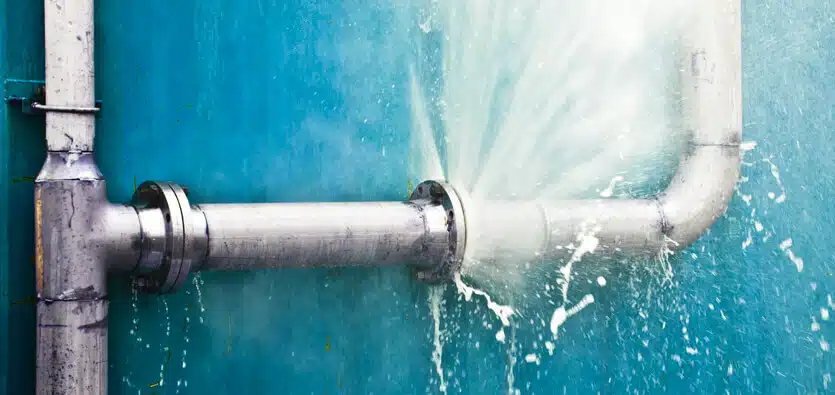
Placing a water sensor in key areas like under sinks, near water heaters, and in basements can prevent expensive repair costs.
Industrial and Commercial Applications
In industrial environments, water sensors can be used to detect many of the same issues that they’re used to check for in homes, but they can also be crucial for monitoring things like:
- Storage tanks
- Cooling systems in factories
- Water treatment plants
- Commercial refrigeration units
These applications ensure operational efficiency and prevent costly equipment failures.
Environmental and Agricultural Uses
Farmers and environmental scientists can use water sensors to:
- Monitor soil moisture levels for efficient irrigation
- Detect flooding in water-sensitive zones
- Manage water reservoirs and natural bodies of water
These sensors can therefore play a significant role in water conservation and sustainable agriculture.
Installation and Maintenance
How to Install a Water Sensor
What would qualify as a suitable installation depends on the sensor type and its intended use. However, the general steps include:
- Identifying key areas prone to leaks or flooding.
- Mounting the sensor according to the manufacturer’s guidelines.
- Connecting it to a wider monitoring system or alarm (if applicable).
- Testing the sensor by introducing a small amount of water to ensure it functions correctly.
Water Sensor Maintenance Tips
- Check regularly for battery life and connectivity.
- Keep sensors clean to avoid false readings due to dust or debris.
- Test actual functionality regularly to confirm they are still working effectively.
Choosing the Right Water Sensor
When selecting a water sensor, consider the following potential variables:
- Detection Method – Do you need basic leak detection or advanced water level monitoring?
- Connectivity – Some sensors connect to Wi-Fi for real-time alerts, while others use simple alarms.
- Power Source – Battery-operated sensors offer flexibility, whereas wired options provide continuous power.
- Durability – Choose waterproof, industrial-grade sensors for harsh environments.
Advanced Features and Future Innovations
Smart Home Integration
Many modern water sensors now integrate with smart home systems, allowing homeowners to receive alerts directly on their smartphones. Some even automate water shut-offs when leaks are detected.
AI-Enhanced Detection
Artificial intelligence is improving water sensors by predicting potential leaks based on historical data, reducing false alarms, and increasing accuracy.
Legal and Environmental Considerations
Regulations and Compliance
Industries using water sensors must adhere to water safety regulations to prevent contamination and overuse. Businesses in manufacturing and food processing, for instance, must comply with environmental standards.
Sustainability Benefits
By detecting leaks early, water sensors help conserve water, reducing waste and promoting sustainable resource management.
FAQs
Where should I place a water sensor in my home?
Install sensors under sinks, near washing machines, in basements, and next to water heaters to detect leaks early.
How does a water sensor connect to my phone?
Some smart water sensors use Wi-Fi or Bluetooth to send notifications via a mobile app. Some models also integrate with home security systems.
Are water sensors expensive?
Prices vary based on features. Basic models start at £20, while advanced smart sensors can cost over £100.
Can a water sensor prevent damage?
While it can’t stop a leak from occurring, it can provide an immediate alert to a leak, allowing you to take action before serious damage occurs.
Wrapping Things Up
A water sensor can be a critical investment for homes, businesses and industries, as it provides capacity for early leak detection – and in turn enables owners to take steps to protect their property, and conserve water resources. With advanced features like smart connectivity and AI integration added into the mix these days too, modern water sensors are now more effective than ever.
If you’re looking for reliable water monitoring solutions, CMR Electrical offers high-quality water sensors designed for efficiency and precision. Contact us today to find the right solution for your needs.